
About the Center
We teach care that sees the whole person.
A counselor and a cardiologist started this Center. A person who loses a spouse may feel chest pain and go to a heart clinic. The clinic checks the heart. It often does not ask about the grief. We publish books, guides, and lessons for the people who want to see both: clinicians, practice owners, teachers, and the family member in the waiting room. Our guides are free to use, and they say where their facts come from, so you can check us.
A hospice house with animals in it, on an inland lake in the northern Lower Peninsula. That is the campus we are planning.
Dame Cicely Saunders taught that pain has four parts: the body, the feelings, the people around you, and the question of what it all means. She built a hospice to care for all four. We think every kind of medical practice can do the same, and our book shows how.
On the campus, the hospice house will sit alongside research and teaching, with animals woven into daily life. The Center will do the research, writing, and teaching. Licensed organizations will provide the clinical and hospice care. If that sounds like your kind of care, start here.
A purpose for every kind of practice
Whole-person care begins with the person in front of you. Comfort, feelings, relationships, daily life, identity, and meaning all belong in the picture.
A pain clinic, a hospice team, and a family doctor’s office will each do a different part of this. The starting point is the same three questions. What matters to this person? What can our team offer? Where do we need someone else?
Teaching that connects the idea to the work
We write books, guides, and lessons that show what whole-person care looks like.
We also show the everyday work around it: who helps, how people work together, what keeps the plan moving, and how a practice keeps the service going after the meeting ends. The practice review on this site takes a team about thirty minutes. It is free.
Writing you can check
We write so you can check us. Every guide says who it is for, what it covers, and where each fact came from. It also says what we do not know yet.
We keep rules, research, opinion, and our own advice in separate sentences, because each one answers a different question. If we got something wrong, the page tells you how to say so, and we fix it where everyone can see.
The founders
Dr. Elizabeth Teklinski and Dr. Andrew Teklinski founded the Center. She is a counselor. He is a cardiologist. They saw the same patients in counseling and in cardiology, so they built one place to work on both.
Elizabeth’s work has long included hospice and palliative care. Andrew’s is cardiology. Grief can affect the body. A person who loses a spouse may feel chest pain and land in a heart clinic. That is one reason their two fields belong together.

Dr. Elizabeth Teklinski
PhD, LPC, NCC, NPT-C
Co-founder and Chief Executive Officer
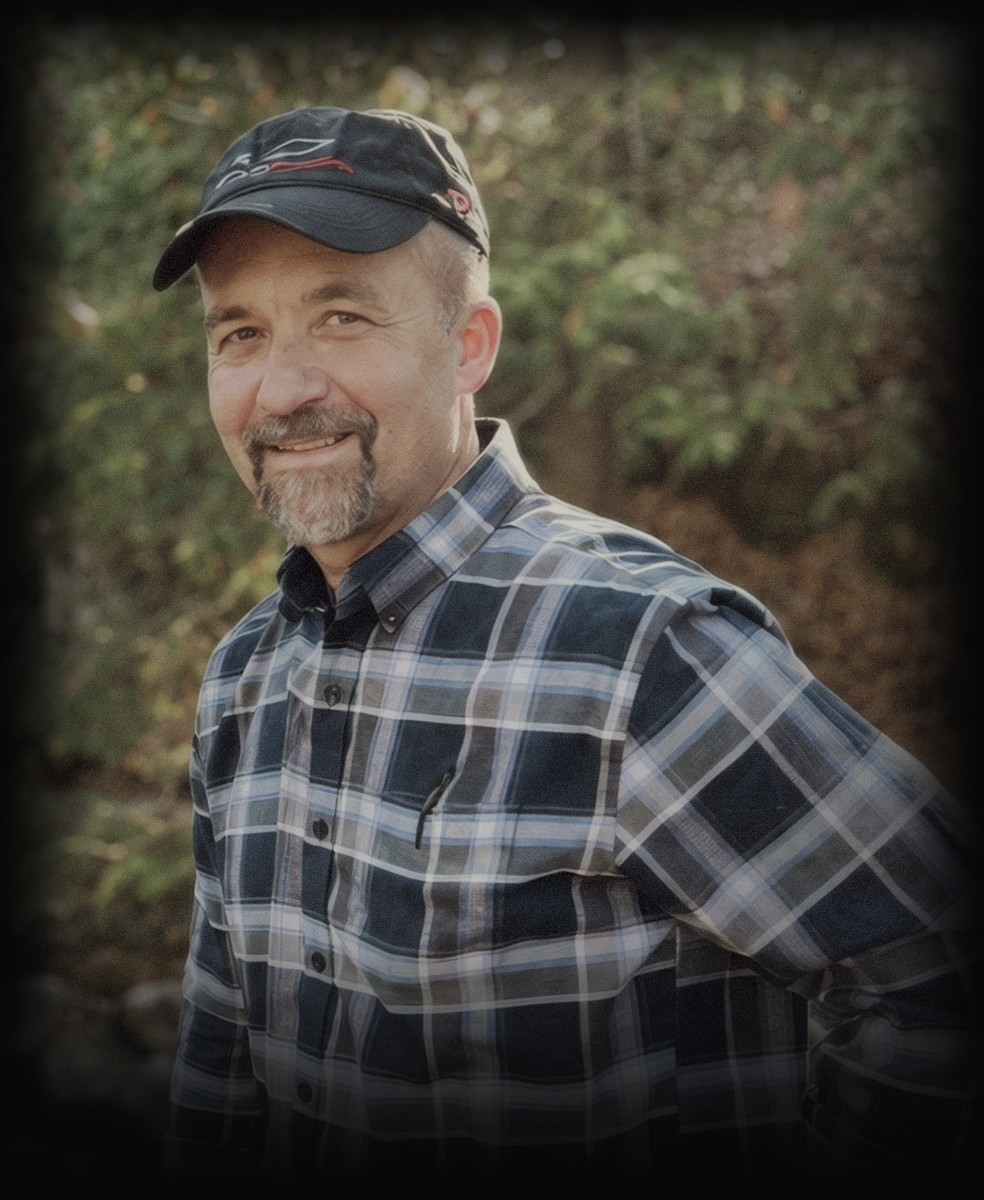
Dr. Andrew Teklinski
MD, MS, FACC, CCDS, RPVI
Co-founder and Chief Medical Officer
BLAZE AND NICO

The Center’s therapy dogs.
Blaze is a Labrador retriever, trained at North Paws for work in care settings. Nico is a merle mini Bernedoodle, trained at Best Friend Dog Training to sit with people who are in pain. Both belong to the Center and will be part of the planned campus in Northern Michigan.
THREE ORGANIZATIONS
How the three organizations fit together.
The Center for Integrative Neuroscience is this site. It writes books, guides, and lessons, and it builds practical tools for practice teams in the United States.
The Integral Neuroscience Initiative is a public charity. It expands and advocates for whole-person care internationally, and works to make whole-person-care education accessible through free resources, research, and advocacy.
Kedge Software is a separate company. It builds the software that helps practices put the idea into practice: healthcare change intelligence and implementation tools.
Each organization has its own website, its own mailing list, and its own unsubscribe link. Signing up with one does not sign you up with another. If you want updates from more than one, there is one form with three separate choices, none checked in advance. Only the organizations you choose receive your name and email address.
Visit the Integral Neuroscience Initiative
Visit Kedge Software
Educational only. Not legal, billing, coding, clinical, or compliance advice. Do not submit patient or claim information through public website forms.